Aging and Cycling
By Alan Bragman D.C.
( http://www.tommyhanks.com/th/Agingandcycling-Bragman-edited.html )
( http://www.tommyhanks.com/th/Agingandcycling-Bragman-edited.html )
R
|
eaching 40 may not be too traumatic from a performance standpoint, but 50 is a different matter. You're long past the age when even the oldest pros compete, and you start taking a keen interest in Viagra and Cialis ads. At 50 it's time to face up to the fact that you need to figure out ways to keep from getting dropped by riders half your age.

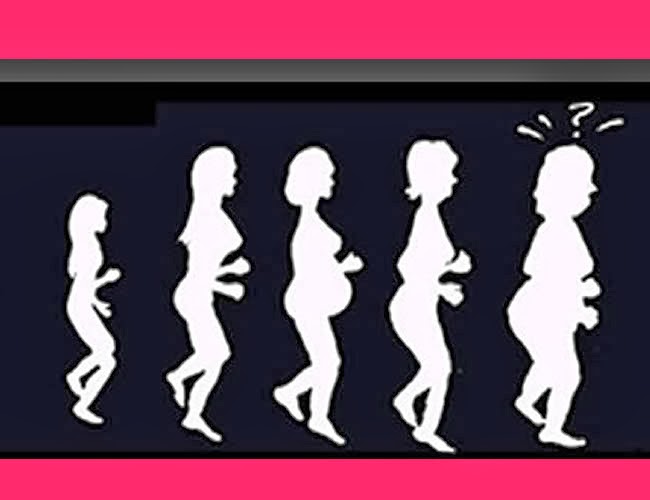
What are the changes that occur in our bodies as we age? The average body is at its peak in the late 20s when we are at a phase known as homeostasis, the point where the number of cells dying and the number of cells being produced are roughly equal. After this time the number of dying cells surpasses the body’s ability to produce new ones. Let’s look at how this change affects various aspects of overall health and athletic performance.

First, the Bad News
Cardiovascular System. As we age our VO2 max declines. This is the ability to deliver oxygen to muscles and other areas of the body. This decline begins around age 20 due to a decrease in maximum heart rate and stroke volume (the amount of blood the heart pumps with each beat). Max heart rate drops by 0.6 beats per minute every year or 6 beats per decade in individuals active in endurance activities. In sedentary people the decrease is twice as fast. Meanwhile, stroke volume decreases about 1/3 percent per year, or a little over 3% per decade.
In addition, as we age the number of capillaries (the place where oxygen exchange occurs) declines. Aging causes lungs to become less elastic. The chest wall and diaphragm weaken and lose flexibility. These changes cause increased airway resistance as we breathe. The maximum expiratory ventilation (volume of air you can breathe in a minute) also begins to decline in the late 20s or early 30s. It's down to half by the time we reach age 60.
As our circulatory system ages we build up fatty plaque deposits along the walls of blood vessels, a condition known as arteriosclerosis or arthrosclerosis. Over time these deposits harden and thicken. They may eventually interfere with blood flow, circulation and the elasticity of the vessels.
Musculoskeletal System. Voluntary muscle is composed of two types of fibers, fast twitch and slow twitch. Slow-twitch fibers are used predominately for endurance activities such as most types of cycling, while short, bulky fast-twitch fibers are used for rapid reaction like when sprinting or jamming a hill. Fast-twitch fibers are lost at a much faster rate during aging than slow-twitch fibers because they are rarely used in daily activities, but this has less effect on cycling performance. The overall loss of muscle mass after age 30 is mostly due to the decrease in fast-twitch fibers.
We also lose muscle and joint flexibility and elasticity due to stiffening of joint capsules, ligaments, fascia, tendons and surrounding soft tissue. The lining of joints known as the synovial membrane breaks down and thins out as we age due to repeated stress and trauma. Gravity and aging adversely affect the cartilage found in the knees and between vertebral segments. The loss of disc spacing is primarily responsible for the loss in height as we get older.
As we age, the loss of bone density can become a serious issue especially in post-menopausal women. It can lead to fractures in men as well as women. The specialized cells in the body that build bone with calcium are known as osteoblasts. Their activity slows down considerably as we age. The loss of bone density is much more pronounced in individuals that do no resistance training or activities that produce impact, such as running and jumping.
Growth Hormone. The body’s production of growth hormone drops off rapidly as we age. Growth hormone is sometimes known as the body’s "fountain of youth," which may explain its current popularity with many Hollywood types. Growth hormone is produced by the pituitary gland at the base of the brain. It's necessary for muscle growth and repair, bone building, fat burning, strong connective tissue, youthful skin, recovery and physiological improvement. The production of growth hormone begins to drop off in the mid 20s and is half as much by age 40. Growth hormone is produced while we sleep and by certain high-intensity strength training regimens.
Lactic Acid. Lactic acid levels increase more rapidly in older athletes, and it takes longer for the body to remove lactate from the bloodstream. Lactic acid is a byproduct of anaerobic exercise. With advancing age it becomes harder to do anaerobic workouts due to the rapid buildup of lactic acid and the body’s inability to metabolize it quickly.
Heat Tolerance. Older riders sweat less and are less tolerant of heat extremes than younger riders. As we age the skin becomes less pliable. It dries out and the amount of oil decreases. These changes cause the skin to swell in hot weather, which closes sweat glands and increases internal body temperature, raising the risk of heat injury. Older riders may be more susceptible to swelling, numbness and pain in their feet, sometimes known as a “hot foot,” while riding in the heat.
Blood Volume. The older rider produces more urine during exercise, which reduces overall blood volume. This increase in urine production is most likely due to changes in metabolism and kidney function. In males, the increased desire to urinate may also be related to enlargement of the prostate, a normal part of aging. Reduced blood volume decreases the amount of oxygen and nutrients being carried to the muscles, which limits exercise capacity. This decrease in blood volume also makes it harder to cool the body.
Immune System. As we age, our immune system weakens and we become more susceptible to malignancies and infections. The thymus gland is one of the primary organs of the immune system and where T-lymphocyte (T-cells) mature. Some T-cells directly attack foreign particles, while others help coordinate other parts of the immune system that are specialized to attack various infections. The thymus gland begins to shrink during adolescence. By middle age it is only 15% of its maximum size. This does not reduce the number of T-cells but their function decreases, which causes weakening of those parts of the immune system they control. Aging also causes the body to have greater difficulty in detecting when bacteria or malignant cells are present. The immune system also becomes less tolerant of the body's own cells. This can result in an autoimmune disorder -- a condition where the body mistakenly begins to attack its cells, tissues or organs.
Neurological System. As we age, the number and mass of nerve cells decrease. There is also a loss of brain weight and atrophy of the spinal cord. Nerve fibers lose their coating in a process known as demyelinization. This reduces nerve transmission time and increases latency -- the time that a nerve cell must rest before it can send the next message. The waste products of atrophied nerve cells build up as material known as plaques, tangles and lipofuscin. The slowing of thinking and memory is also part of the aging process. One often overlooked "advantage" to aging is that our ability to perceive pain is diminished. The lactic acid that burned your poor young legs when trying to hang with the lead pack is not as intense as you age. This may be part of the reason endurance levels remain high in well-conditioned older athletes.
Now, the Good News
Before you jump off a cliff or put a gun to your head to avoid dealing with the aging process, let’s see how you can maintain an exceptional level of fitness well into your 90s. By continuing to train well throughout your life, your performance will decrease very slowly. The key is learning how to do it without getting injured or causing your body to break down from the effort.
The best way to age gracefully and have a happy, satisfying life is to pursue a healthy lifestyle. Constantly challenge yourself to grow physically, intellectually, culturally, socially and emotionally. As you age it's very important to set cycling goals to keep yourself focused and motivated and give purpose to your workouts. Goals are highly individual. They can run the gamut from riding to get in shape and take off a few pounds to winning the national championship road race in your age class.
Let’s examine some specific ways you can maintain a very high level of fitness while avoiding injury, overtraining and boredom. In any fitness program there are four key elements to consider:
- Strength and resistance training
- Stretching and flexibility workouts
- Cardiovascular fitness and training
- Rest and recovery
Strength and Resistance Training
As we age, the loss of muscle and bone mass becomes one of the foremost problems. In order to maintain muscle mass, slow the decline of fast-twitch muscle fibers and prevent loss of bone density, you must do resistance training, often called strength or weight training. It also stimulates the production of growth hormones and testosterone.
Unfortunately, cycling does little to develop certain muscle groups that are crucial to overall fitness, particularly in the core and upper body. Most coaches typically recommended beginning a weight training regimen in the off season, usually in late October. This has changed somewhat, with many riders now doing year-round strength training with an emphasis on the upper body and core in season. Many riders avoid aggressive lower-body strength training during the season to avoid "dead legs."
In a recent study at the University of Illinois University of Cape Town South Africa
Strength training is divided into 4 phases:
1. Transition. At the end of the season the volume and intensity of cycling decreases and other forms of cardiovascular activity are added. This phase helps prepare the body to move into higher intensity strength training. The cyclist does 2 or 3 sets of 12-15 repetitions 3 times per week using light weights. This phase typically lasts 2-4 weeks.
2. High Volume. Repetitions are reduced to 8-10, the weight is increased from light to moderate and the number of sets is increased to 4 or 5. This phase typically lasts 2-4 weeks while cycling is further reduced. Workouts are done 3 times per week.
3. Strength. Heavier weights are used, reps are reduced to 6-8 and sets are reduced to 3 or 4. This phase typically lasts 6-8 weeks and ends as on-bike spring training commences. Workouts are done 3 times per week.
4. Maintenance. This phase spans the riding season and is similar to the transition phase with light weights, high reps and multiple sets. The number of days per week is reduced to 1 or 2 and emphasis is on the upper body and core. Lower-body training is either discontinued or reduced. It depends on individual needs and how the body is responding.
General rules for strength training:
- Proper form is critical to avoid injury and derive maximum benefit. If you're inexperienced or unsure of proper technique, consult a trainer.
- Three sessions per week during the off season is ideal, 1 or 2 is sufficient in season.
- Do not work the same muscle groups two days in a row. Allow at least 24 hours between workouts.
- Free weights are best for resistance training if there's a choice between using them or a machine. An exercise ball is also recommended.
- Unless you have a well-equipped home gym, consider joining a health club.
- Warm up and stretch for 10-15 minutes prior to strength training.
- Proper breathing is important. Inhale prior to lifting, exhale with exertion.
- If you experience significant pain while performing any exercise, discontinue immediately and consult your health care professional.
Upper-Body Exercises
Bench Press (chest, arms). Lie on your back on a bench with hands on the barbell shoulder width apart and feet flat on the floor. Lower the bar to mid chest and slowly push it back to the starting position.
Upright Row (shoulders, neck). Stand straight with feet a few inches apart. Hold the barbell in front of your thighs with your hands a few inches apart and facing you. Pull the bar straight up toward your chin with elbows out until it's at mid chest. Hold for 2-3 seconds before slowly lowering.
Bent-Over Row (upper back). Bend from the waist with your back straight and grasp the barbell palms rearward with a wide grip. Feet should be at shoulder width and knees should be slightly bent. Pull the bar up toward the waist while keeping the back straight and elbows pointing up. Hold for 2-3 seconds, then lower slowly.
Biceps Curl (arms). Do this with a barbell or dumbbell while standing upright with palms facing away. Curl the weight to the chest while keeping elbows close to your side.
Triceps Extension (arms). Use a barbell with both hands or a dumbbell with one. Strand straight with the weight over your head. With a barbell, your hands should almost be touching. With a dumbbell, your palm should be facing inward. Lower the weight by bending your elbow(s) so it goes behind your head. Keep your arm(s) close to your head.
Dumbbell Fly (chest, shoulders). Lie on a bench face up with dumbbells held over your chest by straight arms and hands facing each other. Lower your arms to the side with elbows slightly bent until the weights are even with the bench, then bring the weights back to the starting position.
Pull Ups (arms, shoulders, back). Grasp the pull-up bar with arms at shoulder width and hands facing you. Pull yourself up till your chin is even with the bar, then lower slowly. Also do it with hands facing away.
Push Ups (arms, chest, abdomen). Keep your body in a straight line from head to heels. Hands should be at shoulder width.
Lower-Body Exercises
Squats (quadriceps, buttocks, hamstrings). Stand tall with the barbell resting on your shoulders behind your neck and feet shoulder width apart. Slowly bend your knees until your thighs are parallel to the floor, keeping your weight on the heels. Going beyond a 90-degree bend may cause knee injury.
Heel Raise (calf). Put the barbell in the same position as when squatting. Keep your legs straight and go up on your tip-toes, raising the heels high. For a greater range of motion, stand with your toes on a 2x4.
Leg Press (quadriceps, buttocks). Adjust the leg press machine so that your knees are bent only slightly less than 90 degrees at the starting position. Grip the machine's side handles and push until your legs are almost fully extended, then lower slowly.
Leg Curl (hamstrings). Lie face down on the leg-curl bench with the curling pad on your ankle. Your knee should be just off the bench. Slowly bring your heal toward your butt, hold 2-3 seconds at full contraction, then lower slowly. Do each leg individually so that strength gain is equal.
Leg Extension (quadriceps). Sit on an extension bench with the pad against your ankle and your knee bent at 90 degrees. Slowly straighten the leg until it's in full extension, hold for 2-3 seconds, then lower slowly. Do each leg individually so that strength gain is equal. Note: Be careful with this exercise if you've had knee injuries. Instead of full-arc extensions, limit the range of motion to the final 15 degrees.
Forward Lunge (quadriceps, buttocks, calf). Hold a light dumbbell in each hand. Take a step forward until the front knee is at a 90-degree angle and the back leg is straight. Step back, then repeat with the other leg.
Abdomen and Core Exercises
Abdominal Crunches (stomach). Lie on the floor with your hands crossed over your chest, knees bent and feet flat. Slowly rise up to 35-40 degrees and go back down. Alternate between rising straight up and twisting to one side and the other to work the obliques.
Back Extensions (spinal muscles). Lie face down on the floor or use a Roman chair. Raise your head and arch your back as high as possible, and then go back down.
Diet and Supplementation
As we age our dietary needs do not change significantly, but maintaining a healthful diet becomes even more important to overall well-being and athletic performance. Older athletes need more time for recovery and their digestion is not as efficient, particularly when it comes to wheat and dairy products.
Food is divided into three broad categories: fat, protein and carbohydrate. An athlete’s diet should provide roughly 40% of daily calories from carbohydrate and 30% each from fat and protein.
Dietary Fat. There are good fats and bad fats. Good fats actually reduce the risk of heart disease and arthrosclerosis. They're comprised of poly- and monounsaturated fats that are beneficial because they increase levels of high-density lipids, which reduce plaque formation on blood vessel walls and lower the risk of heart disease. Examples of good fats include deep- and cold-water fish, olive and sunflower oil, peanut butter, walnuts, almonds and wheat germ. Bad fats are known as saturated fats or hydrogenated oils and they increase levels of low-density lipids. These fats can accumulate on the walls of blood vessels, increase cholesterol and triglyceride levels and even increase the incidence of certain cancers. Examples of bad fats include hydrogenated vegetable oils, transfatty acids, saturated fats, butter, cookies, potato chips, meat and dairy fats.
Fats are an important part of a balanced diet and they provide a tremendous energy reserve. In addition, they comprise part of cell membranes, help produce hormones, store and transport the fat-soluble vitamins (A, D, E and K). Breaking down fats and using them as an energy source is a slow aerobic process that supplies roughly half of the energy during low- and moderate-level exercise.
Protein. Proteins or amino acids are often referred to as the "building blocks" of the body. They are the major component of cells, enzymes and hormones. During exercise protein provides minimal energy. Its primary function is in the building and repair of tissue. About 30% of daily calories should come from high-quality foods rich in low-fat proteins, such as lean meat, poultry, dairy products, fish and certain plants.
Carbohydrate. Carbohydrate is stored in the liver and muscles as glycogen and broken down to glucose, its usable form. Glucose is the primary and preferred source of energy during exercise. The brain uses only glucose as fuel, so the body strives to maintain constant levels. When glucose is depleted, we bonk. This is the reason that eating and drinking carbohydrates during exercise is so important.
Carbohydrates, sugars and starches are divided into two main classifications: simple and complex. Complex carbs take longer to break down in the body and they maintain constant glucose levels over a longer period. In addition, complex carbohydrates have a higher concentration of vitamins, minerals and other nutrients as compared to simple carbohydrates. Examples of complex carbs include bread, fruit, pasta, grains, vegetables, rice and beans. Simple sugars, on the other hand, break down quickly, providing a rapid energy boost that lasts only a short time. Simple sugars tend to provide "empty" calories lacking nutritional value. Examples include candy bars, doughnuts, cookies, potato chips and other high-calorie "junk food."
Nutrition During and After Training
Eating and drinking during exercise is vital for better performance and avoiding fatigue, particularly for the older cyclist. The average athlete has enough stored glycogen in his or her liver and muscles to last about two hours while exercising at moderate intensity. When glycogen runs out, the body begins to burn fat for fuel. This leads to bonking, which is characterized by fatigue, nausea, headache, irritability, confusion and loss of coordination.
Fortunately it is relatively easy to avoid bonking while training. Simply replenish glucose stores with energy gels, energy bars, sports drinks or glucose-rich foods. The average athlete needs to take in approximately 40 grams of carbohydrate per hour during moderate exercise. The key is to eat and drink throughout the workout, starting shortly after beginning. The choice of fuel can be personal as long as an adequate amount is ingested.
Among common glucose sources are sports drinks such as Gatorade, PowerAde and Accelerade. They provide about 15-20 carbohydrate grams per 8 ounces. Energy gels such as Power Gel, GU and Clif Shot average 25 carb grams per packet. Energy bars such as Clif Bar and PowerBar average 45-50 carb grams per bar. A banana has 30 carb grams while an apple or orange has 15-20 carb grams. Fig Newtons
The sooner an athlete eats or drinks carbohydrate after exercise, the more effective the recovery process. Glycogen synthesis is highest for the first 45 minutes after training when blood flow is high and muscles are depleted. This period for maximum replacement of glycogen stores is known as the “glycogen window.” Sooner is definitely better when it comes to recovery, especially for older cyclists.
There are many recovery drink formulas are on the market. Most include vitamins, minerals and some protein as well as carbohydrate. Some studies indicate that the addition of protein increases carbohydrate absorption and speeds the repair of damaged muscle and soft tissue. The typical recovery formula contains 75-100 grams of carbohydrate with approximately 15 grams of protein. Some athletes have begun using sports drinks with one part protein to four parts carbohydrate rather than pure carbohydrate. This is said to increase endurance, improve hydration and promote faster muscle recovery.
The choice of which energy source to use when training is personal. Most cyclists have a favorite based on trial and error and whatever new product top riders are supposedly using. Once you find foods and drinks that you like the taste of and work for your needs, stick with them. Experiment in training, not during a race or important ride.
Stretching and Flexibility
Loss of flexibility and mobility due to aging of muscles, tendons and connective tissue can be minimized with proper stretching. Athletes that stretch as part of their daily routine lose less flexibility as they age. Consider this list of stretching's benefits:
- Effective transition between inactivity and exertion
- Assists the warm-up by increasing soft tissue temperature and metabolism
- Lessens risk of muscle and soft-tissue injury during exercise
- Reduces the likelihood of muscle cramping, tightness and pain.
- Aids recovery by increasing circulation and decreasing muscle tension
- Helps reduce the effects of age-related inflammation and degenerative changes that limit the mobility of joints, muscles and soft tissue
The most effective method is known as "isolated stretching" (AIS), which incorporates an 8-foot length of nylon rope. AIS was devised by Dr. Aaron Mattes during more than 30 years of research and study. The best time to do the stretches is prior to a workout.
Stretching is such a vital part of the overall fitness program for any athlete that I cover it in depth in my illustrated eArticle, "Stretching for Cyclists," available in the RoadBikeRider.com eBookstore.
Cardiovascular Fitness and Training
In order to remain fast, fit, lean and mean into old age you need to make a year-round commitment of time and effort. Decreased performance as we age is more the result of inactivity, lack of goals and a reduction in training intensity than in actual physiological changes. Frequent and vigorous riding combined with crosstraining, stretching, weight training and a high-quality diet are the keys to remaining a strong cyclist.
Three factors determine the fitness level and quality of cycling workouts:
- Frequency (the number workouts in a given period)
- Intensity (the difficulty of workouts)
- Volume (the distance or duration of workouts)
There are three methods a cyclist can use to measure the intensity of workouts: rating of perceived exertion, heart rate and power.
The simplest, most subjective and least accurate way of monitoring a workout is the rating of perceived exertion (RPE). With this method you judge the intensity of your workout on a 1-10 scale, with 1 being the easiest. RPE is convenient and cost-free, but it is entirely subjective and inaccurate for purposes of quantifying a workout.
A better method of measuring exercise intensity is to use a heart rate monitor. They have been around for many years. Current models are very accurate and some offer additional useful features.
Initially you will need to take a very strenuous test to determine your maximum heart rate (MHR) and set up your training program. Before doing so, make sure to get the permission of your primary health care provider. A max heart rate test should not be attempted by a beginning or out-of-shape cyclist or anyone with medical problems, particularly heart problems. One simple way to estimate maximum heart rate is to subtract your age from 220. This method is not very accurate, however. It can produce a figure 10 or more beats too high or too low.
A test to determine MHR can be done on the road or indoors on a trainer. Either test should be done twice to confirm the findings.
To take the outdoor test, find a gradual hill about 2 miles long with light traffic and no stops. Warm up for at least 15 minutes before beginning the test. As you climb the hill, increase your effort so that near the crest you're riding hard. During the last couple of hundred yards get out of the saddle and sprint as fast as you can. The highest number displayed by your heart monitor should be very close to your MHR. If you live in a flat area, do this test on a windy day riding into the wind.
For the indoor test, warm up for 15 minutes on a trainer. Increase your gear every 2-3 minutes while striving to keep a 90-rpm cadence. Push until you can't go any harder, and then sprint all out for as long as you can. The highest number displayed by your heart monitor should be very close to your MHR.
Once you have your max heart rate you can establish your various training zones, which are based on a percentage of MHR. For example, let's say you're a 50-year-old rider with a MHR of 180 beats per minute. (This program and the zones were set up by Coach Chris Carmichael and used by Lance Armstrong before he began training with a power meter.)
Zone 1: 60-65% of MHR = 108-117 bpm for easy riding and recovery
Zone 2: 65-70% of MHR = 117-126 bpm for endurance and base mileage
Zone 3: 70-80% of MHR = 126-144 bpm for aerobic capacity training
Zone 4: 80-85% of MHR = 144-153 bpm for lactate threshold training
Zone 5: 85% + of MHR = 153+ for maximum aerobic training
Training with a heart monitor is a good way to measure intensity because it's simple, affordable and relatively accurate. The downside is that factors such as sleep quality and quantity, dehydration, caffeine, stress, fatigue, heat and humidity can dramatically affect hear rate. Another drawback is the delay in heart rate that occurs when effort is increased or decreased.
The power meter (watts meter) has revolutionized the way top cyclists train. It's a superior device for measuring work, monitoring performance and setting up training programs. Power meters calculate wattage from the chain, crank or hub and provide an instantaneous and accurate way to measure the amount of work being done. A power meter is brutally honest. It tells you exactly what you have in your legs and lungs during a training session. Data can be saved and analyzed to provide an objective picture of how you are responding to various workouts or training phases. This greatly aids in setting up future training programs.
As with any new technology, power meters are quite costly have had various glitches. Current models are generally more reliable but still can cost $1,000 or more. The analysis and implementation of training data can be complicated but is worth mastering. Lance Armstrong has used a power meter for years and credits the technology with helping him achieve his incredible success.
A well-planned training program can help the older cyclist maintain a high level of fitness and meet new challenges. If you currently do not have a coach or a training program you believe in, I strongly suggest getting one or the other.

Rest and Recovery
As we age, rest and recovery become critically important in helping us maintain a high level of fitness. Many older cyclists find that long, fast, hilly or otherwise hard rides leave them wiped out. Years earlier they would have quickly recovered from such efforts.
The older body takes much longer to recover and eliminate metabolic waste. After an intense workout, a high-quality meal rich in carbohydrate and protein, with lots of fluid, is critical. Stretching can help reduce the stiffness following hard efforts. At least 7 hours of sleep is a great way to rejuvenate the body, with more needed during periods of intense riding. During sleep we produce growth hormone that aids in physiologic improvement and repair of the workout damage. It can take several days to recover from intense efforts, a process aided by rides of 1-2 hours in zone 1. These recovery rides increase circulation, eliminate waste material, circulate nutrients and relax sore muscles.
Aging gracefully takes lots of planning, thought and hard work. The effort is definitely worth it, especially when young hotshots are struggling to stay on your wheel.
Alan Bragman is a chiropractor living in Atlanta, Georgia. He is a former cat 3 cyclist and nationally ranked inline speed skater. He was on the medical advisory board at Bicycling magazine for 10 years and has written for other sports publications.